
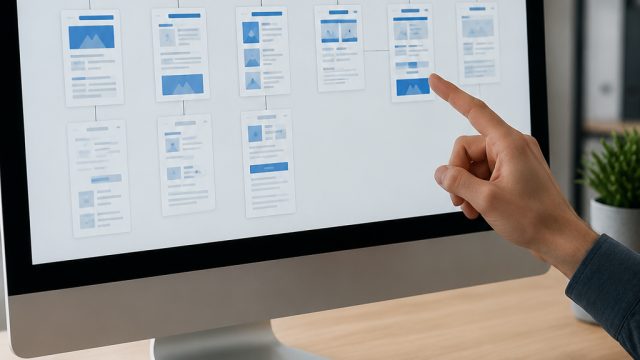
The Importance of Website Navigation
Website navigation is a crucial component of web design that significantly affects user experience. An intuitive navigation structure helps visitors find the information they need effortlessly, improving their interaction with your content.
Best Practices for Designing Navigation Menus
When creating a navigation menu, prioritize clarity and simplicity. Use descriptive labels that convey the content of each section. Avoid unnecessary complexity by limiting the number of top-level items, typically to five or seven main categories.
Responsive Navigation Elements
With the increasing use of mobile devices, responsive design for navigation is essential. Ensure your menus are adaptable, providing a seamless experience across all devices. Incorporate expandable menus or hamburger icons to save screen space without sacrificing usability.
Utilizing Breadcrumbs for Enhanced Navigation
Bread crumbs are an effective way to help users understand their location within your site. These secondary navigation aids not only improve usability but also enhance the site's SEO by creating a clear hierarchy of content.
Testing and Optimizing Navigation
Regularly test your navigation structure to identify any issues. Gather user feedback and analyze website analytics to determine where users struggle. Utilize A/B testing to evaluate the effectiveness of different navigation designs.